
.svg)
.svg)
.svg)
3 min read
I
Environmental Benefits of Attic Insulation
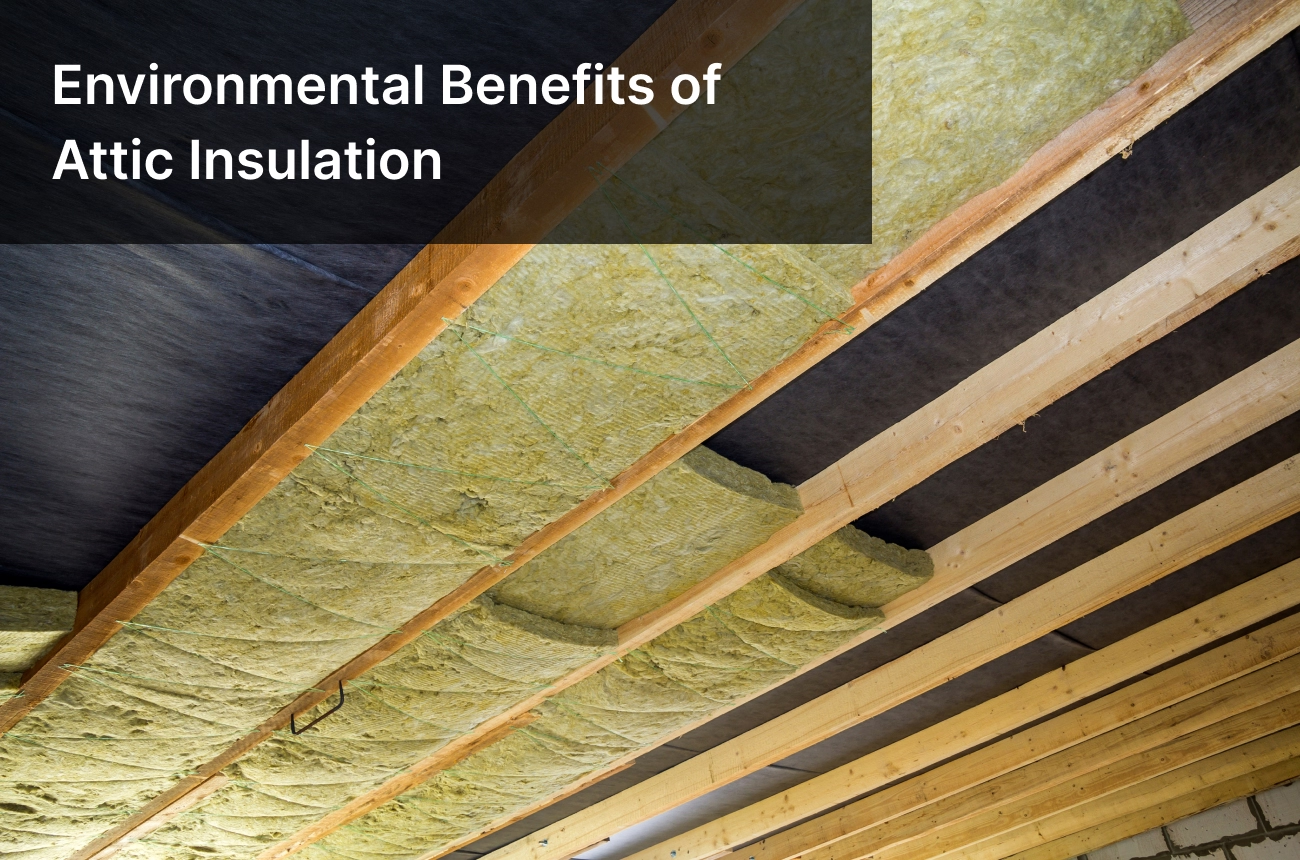
Upgrading attic insulation is one of the most effective ways homeowners in California can improve energy efficiency, lower utility bills and reduce environmental impact. While insulation is often viewed as a comfort or cost saving upgrade, it also plays a meaningful role in sustainability. Homes that use less energy place less strain on natural resources, reduce emissions and help support California’s long term climate goals.
This guide explains the environmental benefits of improving attic insulation, how insulation impacts home performance and how Y&S Home Builders supports homeowners who want to make environmentally conscious upgrades.
Why Attic Insulation Matters for the Environment
Attic insulation acts as a thermal barrier that reduces heat transfer between the living space and the attic. When a home is under insulated, heating and cooling systems must work harder to maintain comfortable temperatures. This increased energy use contributes to higher demand on the electrical grid and greater environmental impact.
Improving insulation allows homeowners to:
- Reduce overall energy consumption
- Lower carbon output associated with heating and cooling
- Improve indoor air quality
- Extend the lifespan of HVAC systems
- Support statewide efforts toward energy efficiency
California’s climate varies widely, and proper insulation helps households reduce energy waste across all regions.
Reduced Energy Consumption and Lower Carbon Emissions
Heating and cooling represent a significant portion of residential energy use. When insulation is insufficient, HVAC systems must run continuously to keep the home comfortable. This leads to increased electricity or natural gas consumption.
Upgrading attic insulation reduces energy loss by keeping conditioned air inside the home. In hot inland areas, insulation helps prevent heat from entering the living space. In cooler coastal or mountainous regions, insulation helps retain warmth during colder months.
Lower energy consumption directly reduces carbon emissions associated with electricity production. By lowering energy demand, homeowners contribute to a cleaner environment. Y&S Home Builders installs high quality insulation that improves thermal efficiency and reduces energy waste. Learn more on the Attic Insulation Installation page.
Improved Indoor Air Quality and Environmental Health
Old or damaged attic insulation can harbor dust, pollutants and contaminants that negatively affect indoor air quality. As air circulates through the home, these particles may enter living areas and impact respiratory health.
Upgrading insulation supports a healthier environment by:
- Reducing airborne contaminants
- Preventing dust and debris from entering ducts
- Eliminating old material that may contain allergens
- Supporting effective air sealing
Air sealing is especially important because it prevents attic air from mixing with conditioned indoor air. A sealed and insulated home not only performs better but also contributes to a healthier indoor environment. Y&S Home Builders evaluates air quality conditions during attic inspections and provides recommendations to improve indoor health.
Reduced Strain on HVAC Systems
When insulation is inadequate, HVAC systems operate for longer periods to compensate for lost heat or cool air. This increases wear on the equipment, shortens the system’s lifespan and results in more frequent replacement of components. Manufacturing and disposing of HVAC systems require significant environmental resources.
By improving attic insulation, homeowners reduce operational strain on HVAC equipment. This leads to:
- Fewer mechanical breakdowns
- Longer system lifespan
- Reduced manufacturing demand
- Lower environmental impact over time
Extending HVAC lifespan is a long term sustainability benefit and helps California households minimize waste.
Temperature Control That Supports Energy Efficient Living
Consistent indoor temperatures are a key component of energy efficient living. Without proper insulation, hot and cold spots develop throughout the home, forcing homeowners to make constant thermostat adjustments. Increased heating or cooling demand results in greater environmental impact.
Upgraded insulation helps maintain even temperatures across bedrooms, living spaces and upper floors. This reduces HVAC cycling and improves overall comfort. Homeowners benefit from a more stable living environment and contribute to statewide sustainability goals.
Sustainable Insulation Materials and Modern Installation Practices
Modern insulation materials often incorporate recycled content and environmentally friendly components. When installed correctly, they can significantly reduce the home’s environmental footprint.
Many insulation products provide:
- Long service life
- Recycled content
- Non toxic material composition
- Sustainable manufacturing practices
Proper installation ensures insulation performs as intended and prevents environmental issues such as moisture buildup or mold. Y&S Home Builders uses insulation materials selected for performance and long term environmental benefit.
Moisture Control and Protection of the Home Structure
Moisture in the attic can lead to mold growth and structural deterioration, both of which carry environmental and financial costs. Mold remediation and structural repairs require additional materials, transportation and labor that leave an environmental footprint.
Upgrading attic insulation can support moisture control by:
- Preventing condensation from temperature imbalances
- Supporting proper attic ventilation
- Reducing the conditions that encourage mold growth
Protecting the home’s structure reduces the need for replacement materials and helps avoid unnecessary waste. The total attic system, including insulation, ventilation and air sealing, contributes to improved long term durability. Homeowners can view complete attic upgrade options on the Our Services page.
Supporting California’s Energy Efficiency and Climate Goals
California has implemented strong energy policies aimed at reducing statewide emissions and promoting sustainable living. Homeowners who upgrade attic insulation directly support these goals by:
- Reducing peak electricity demand
- Lowering residential energy waste
- Supporting cleaner air and reduced emissions
- Reducing dependency on heating and cooling equipment
Insulation upgrades are among the most impactful improvements that homeowners can make to reduce their carbon footprint.
Long Term Environmental Savings
The environmental benefits of insulation upgrades accumulate over time. Once installed, high quality insulation provides:
- Decades of improved energy efficiency
- Reduced greenhouse gas emissions
- Improved comfort without additional resource use
- Long term reduction in household waste
- Sustainable home performance
These long term advantages make insulation one of the most environmentally valuable upgrades available to California homeowners.
How Y&S Home Builders Supports Environmentally Focused Insulation Upgrades
Homeowners who want to reduce their environmental impact benefit from choosing an experienced installer who understands California’s climate needs and sustainable building practices.
Y&S Home Builders supports environmentally conscious upgrades by offering:
- Comprehensive attic inspections
- Removal of old and contaminated insulation
- Air sealing to prevent energy waste
- High quality insulation materials
- Ventilation assessments to support moisture control
- Installation that meets California energy expectations
Homeowners can schedule an evaluation through the Contact Us page.
Upgrading attic insulation offers significant environmental benefits for California homeowners, including reduced energy use, lower emissions, better indoor air quality and long term home durability. Insulation improvements support sustainability goals while providing increased comfort and energy savings.
With expertise in attic systems and a focus on long term performance, Y&S Home Builders helps homeowners achieve meaningful environmental improvements through professional insulation upgrades.


.avif)



.svg)